Showing posts with label Yponomeuta plumbella. Show all posts

Monday, 28 April 2014

A case of the Yp's: Part II

In a follow on from the previous post,   http://kentmicromoths.blogspot.co.uk/2014/04/a-case-of-yps-part-i.html  here are the other two Yponomeuta species that I have found in the larval stage already this year: two of the Spindle feeders - Y. cagnagella and Y. plumbella. These both seem quite numerous this year.

Y. plumbella - larval feeding signs: wilted shoots
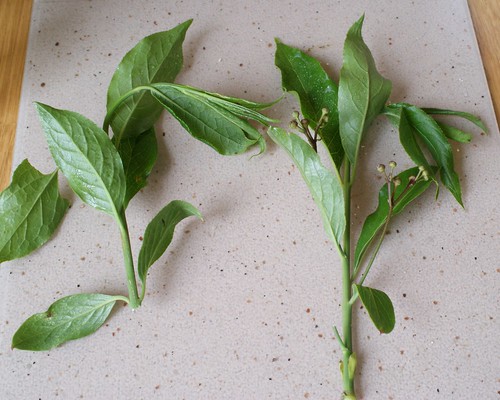
Yponomeuta plumbella larval feeding signs


Y. cagnagella - larval web

Yponomeuta cagnagella larval web

Tuesday, 23 July 2013

Going dotty

Been seeing all sorts of spots before my eyes of late both attracted to the garden trap and with rearing success: here are a few of the recent monochrome marvels...

Ethmia dodecea
Ethmia dodecea

Yponomeuta cagnagella reared ex larva on Spindle Yponomeuta cagnagella bred ex larva on Spindle

Bird-cherry Ermine (Yponomeuta evonymella) Yponomeuta evonymella

Yponomeuta plumbella reared ex larva on Spindle Yponomeuta plumbella bred ex larva on Spindle

Sunday, 9 June 2013

Yp, Yp hooray

Have been busy searching for larval stages of the monochrome marvels that are the Yponomeutidae and have so far managed to find three species all within 50 yards of home. A sample of each has been collected for rearing, so watch this space...

Yponomeuta plumbella larva
Yponomeuta plumbella larva ex mine on Spindle

Yponomeuta padella larvae Yponomeuta padella larvae on Hawthorn

Yponomeuta cagnagella  larva Yponomeuta cagnagella in communal web on Spindle

The 'top prize' of Y. irrorella still eludes me but it must be out here amongst this lot somewhere as a handful of adults have been turning up in the garden each year for the past four years, the search continues...


Monday, 20 May 2013

Early stages: Yponomeuta plumbella

The feeding signs of the very young larvae are quite evident on Spindle right now.  Look for obviously wilted young shoots as the wilting is caused by the young larvae feeding from within the stems.  Closer investigation will reveal tiny holes where the larva has entered the shoot and if you take great care in opening the shoot, the larva can be found, although at such a small size, it really is a needle in a haystack job.

Yponomeuta plumbella larva
Yponomeuta plumbella larval feeding signs
Yponomeuta plumbella - feeding signs